Low-Impact Travel: Trains, Lodges and Local Guides

Low-impact travel has a reputation for being worthy and uncomfortable: night trains, cold showers and a moral lecture at breakfast. In practice, the best version is simply slower and more local, and often more enjoyable than the trip it replaces. You trade a little speed for better food, quieter places and fewer hours in transit.
The biggest gains come from three decisions: how you travel between places, how long you stay and who you pay once you arrive. Get those right and the rest is detail.
Take the train when it fits
For medium distances, rail is usually the lowest-carbon option and often the most civilised. A four-hour train beats a one-hour flight once you add the airport transfer, security and baggage wait. Book early for the cheapest fares and choose a route with a view rather than the fastest connection.
Overnight trains save a hotel night and a travel day at the same time. Book a sleeper compartment rather than a seat if you can, and check whether bedding and breakfast are included. Arrive rested enough to enjoy the first day.

Stay longer in fewer places
Every move costs energy, money and time. A trip with two bases and day trips is usually greener and calmer than one with six hotels in ten days. Stay long enough to shop at the local market, learn the bus route and eat somewhere twice.
Off-season travel spreads the load and supports local businesses through the quiet months. It also gives you lower prices and quieter sites, which is a rare case of doing well by doing good.
Choose small, local accommodation
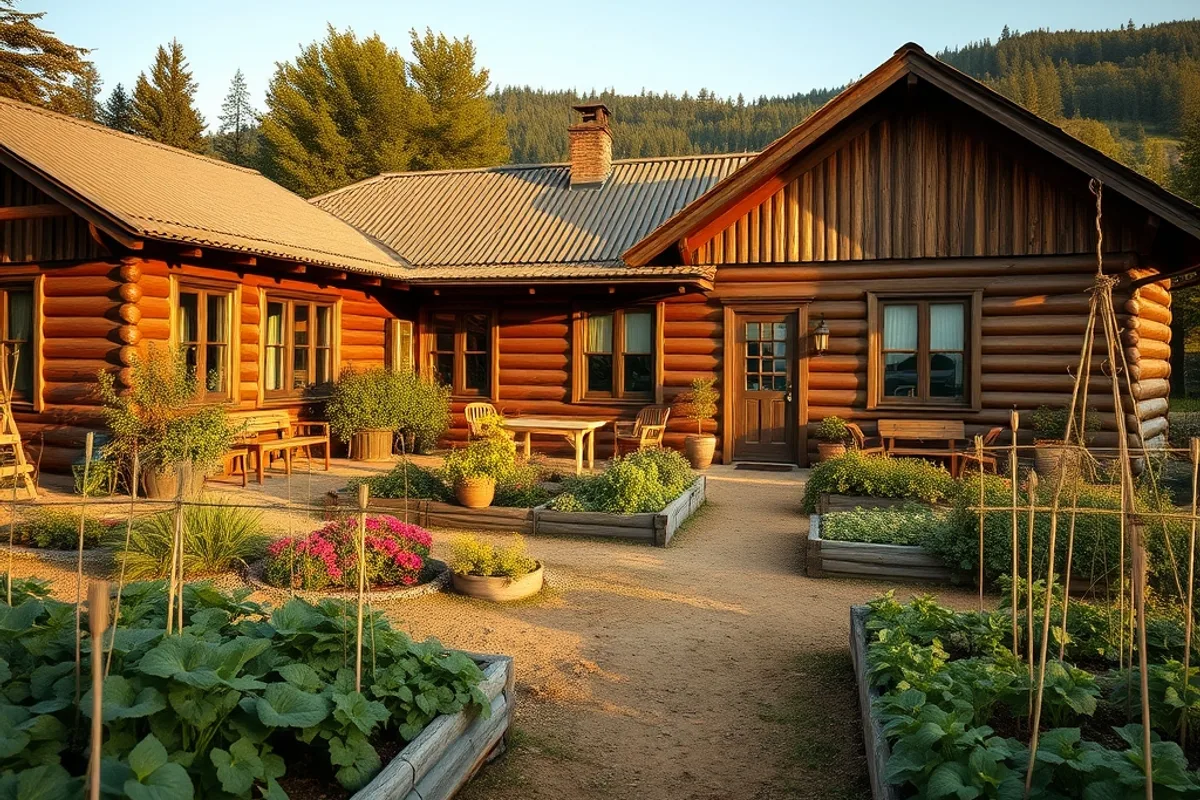
Family-run guesthouses and small lodges usually keep more money in the community and consume less than large resort complexes. Look for buildings that suit the climate, such as thick walls, shutters and shade, rather than glass boxes that need constant cooling.
Ask about water and waste, and prefer places that refill bottles and serve local food. A simple garden and a compost heap tell you more than a sustainability page full of stock photos.
Hire local guides and drivers
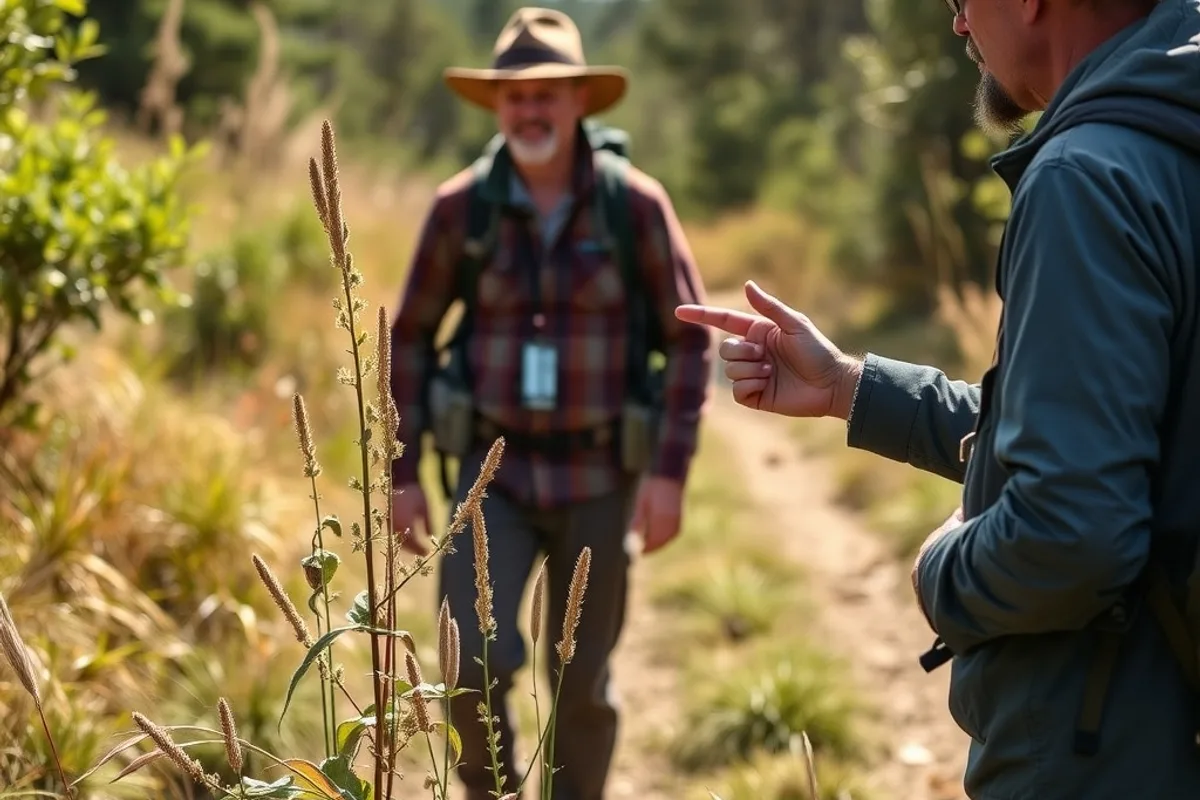
A local guide brings knowledge, income and accountability. Choose guides who live in the area, pay them fairly and book directly where possible. A good guide also keeps you on marked trails and away from fragile areas.
For transfers, share a vehicle rather than taking a private car for one person. Use licensed operators, agree the route and avoid idling. On short city trips, walking and public transport are usually faster than a car anyway.
Eat and buy locally
Food is a large part of a trip's footprint and one of the easiest things to improve. Eat seasonal dishes at local restaurants, shop at markets and avoid imported brands you could buy at home. Vegetarian meals generally use less land and water than meat, even once a day helps.
Buy crafts from makers rather than imported souvenirs, and pay a fair price without haggling to the bone. Carry a refillable bottle, a cloth bag and a small set of cutlery if the local street food scene uses disposable plastic.
Offset what you cannot avoid
Long-haul flights are sometimes unavoidable. If you fly, choose a direct route, pack light and stay longer. Carbon offsets are imperfect, so treat them as a last step rather than a licence. Choose a reputable scheme with verified projects and transparent pricing.
Measure the trip you actually took rather than the one you imagined, and use the result to plan the next one. Small repeated choices beat one heroic gesture.
The bottom line
Take the train where it works, stay longer in fewer places, sleep in small local businesses and hire guides from the community. Eat local, carry a bottle and offset the flights you cannot avoid. Low-impact travel is not about deprivation. It is about spending your money where it does the most good and your time where it feels best.
A low-impact trip is not a punishment. It is a slower trip with better meals and fewer airports.
- Perry Evanoff Editorial
Further reading from independent sources: UN Tourism and your government's foreign office travel advisories.