Business Travel on a Budget Without Losing Productivity

Business travel budgets are usually cut in the wrong place. A company saves forty dollars on a hotel room and spends sixty on taxis, or books a cheap connection that costs half a day of productive work. The goal is not the lowest price; it is the lowest total cost of doing the job well.
That means looking at the whole trip: flight, transfer, hotel, meals and time. A slightly higher price in one line often removes a larger cost in another. The savings worth taking are the ones that do not make the work harder.
Book flights at the right time
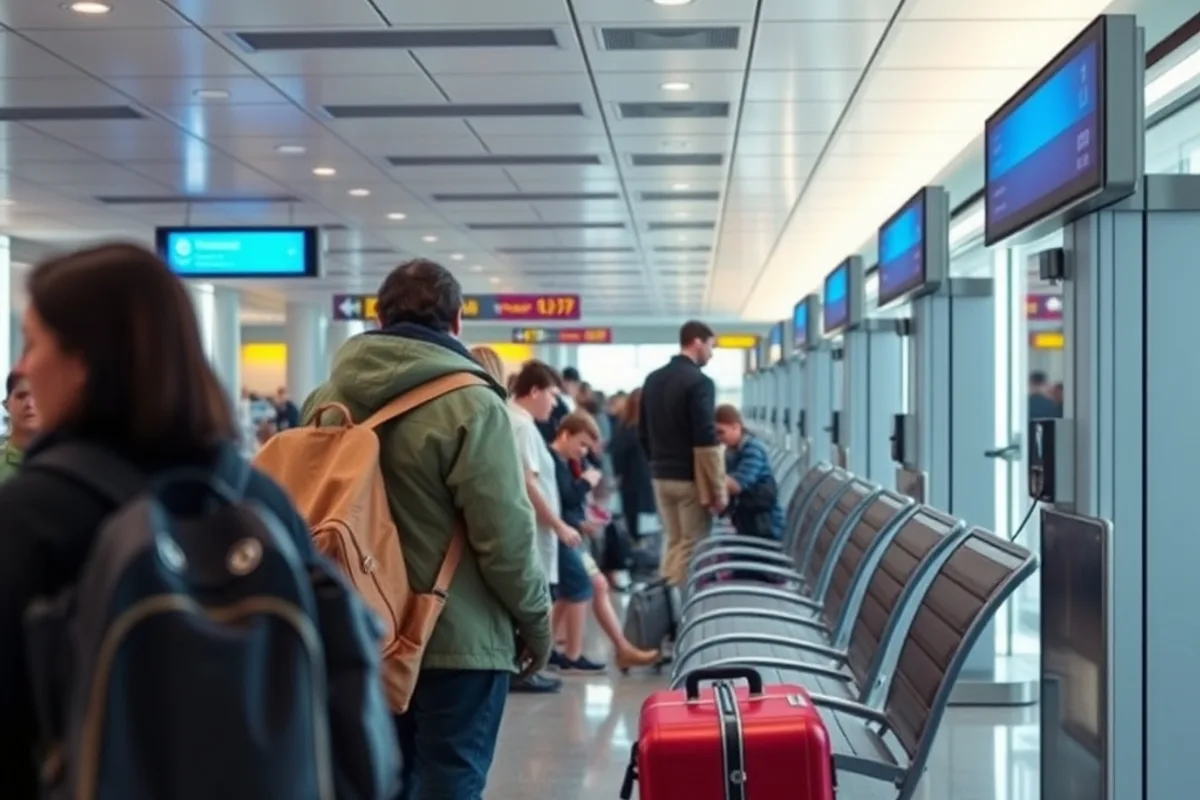
For most routes, two to three weeks ahead is a good balance between price and flexibility. Booking months ahead can be cheap but locks you in; booking days ahead is expensive and stressful. Compare the total journey time, not just the fare.
Take the direct flight when the difference is modest. If you must connect, choose a route with a comfortable buffer and avoid the last connection of the day. A missed meeting costs more than any ticket upgrade.
Stay central, not just cheap
A central hotel can be cheaper overall than a budget room on the edge of town. Add the taxi or train fare, the time and the inconvenience, and the apparent saving disappears. Walkability is a productivity feature, not a luxury.
Look for hotels that include breakfast, fast wifi and a workspace. Those three items remove daily costs and make the room usable for work. Skip the paid minibar, the spa and the room upgrade unless the client is paying for them.
Use simple, reliable transfers
Public transport is often the fastest way into a city centre, and it is far cheaper than a private car. Use it when you are travelling light and the schedule is not tight. For an early meeting or a late arrival, a fixed-price transfer is worth the extra for the certainty.
Share rides with colleagues where possible and avoid renting a car unless the itinerary genuinely needs one. Parking, fuel and insurance usually cost more than a few taxis, especially in a city.

Eat well without overspending
Hotel restaurants are convenient and expensive. A nearby cafe or market does a better breakfast for less, and a simple local lunch keeps the afternoon sharp. Save the expensive dinner for the client, not for a solo Tuesday.
Carry a refillable bottle and a few snacks for travel days. Airports charge a premium for everything, and a delayed flight is easier with something to eat. Claim what you are entitled to, but keep the receipt.
Protect the work
The cheapest trip is a failure if you arrive unable to work. Book a quiet room, allow a buffer before the meeting and protect your sleep. A short walk and a proper meal do more for performance than an extra hour of email.
Test your tech before you leave: laptop charger, adapters, meeting link and phone plan. A dead battery is a small cost with a large consequence when the meeting starts in ten minutes.
Make expenses painless
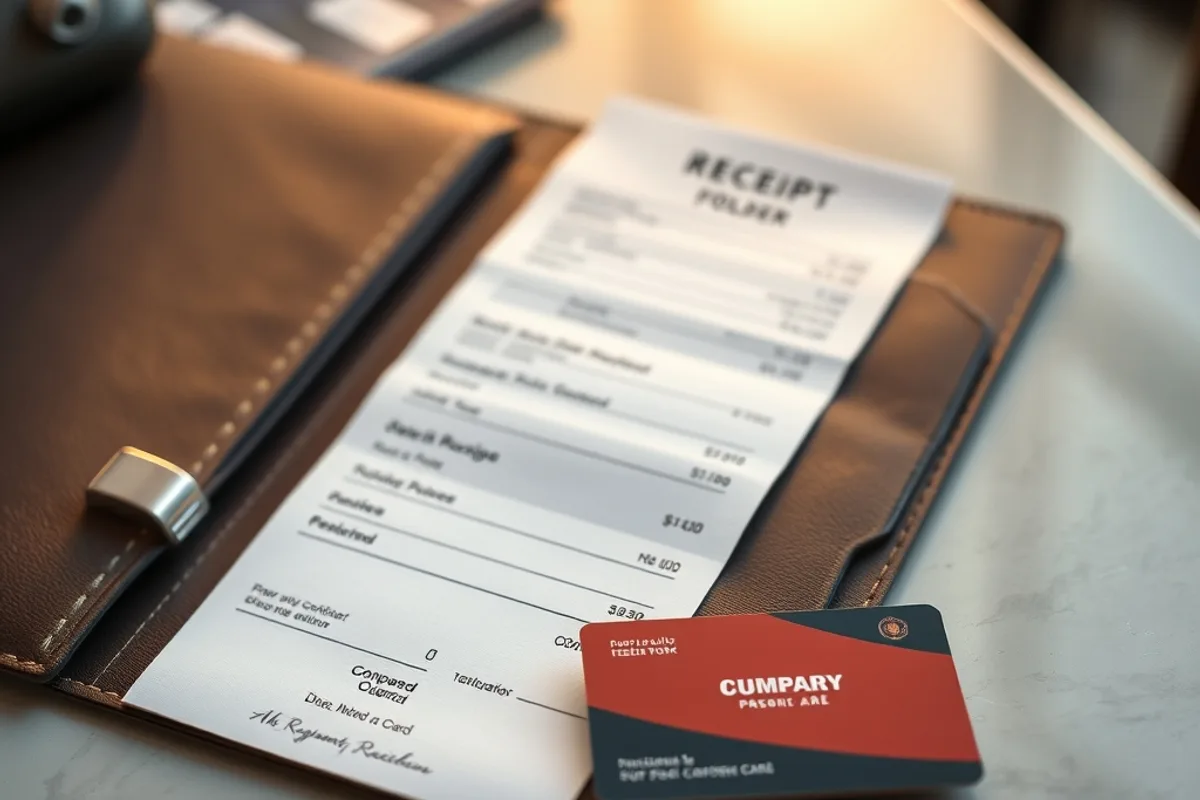
Photograph receipts on the day and note the purpose. Use one card for the trip so the statement is easy to reconcile. Submit the claim before the details fade, and keep a copy of the submission.
Know the policy before you spend. A quick check on limits for hotels, meals and transport prevents the awkward conversation later. If something is genuinely necessary, note the reason at the time.
The bottom line
Spend where it protects the work and save where it does not. Book ahead, stay central, use simple transfers, eat locally and keep receipts tidy. A productive business trip is not the cheapest one on paper. It is the one that gets the job done without a hidden cost in time, energy or reputation.
A cheap hotel far from the meeting is an expensive taxi with a bed attached.
- Perry Evanoff Editorial
Further reading from independent sources: UN Tourism and your government's foreign office travel advisories.