Eco Tourism That Is Actually Green: How to Tell It Apart

Eco tourism has a branding problem. The word is used for everything from a genuinely low-impact lodge to a hotel that asks you to reuse a towel while watering a golf course. Travellers want to choose better, but the labels are unreliable and the claims are hard to check.
The practical approach is to stop looking for the word and start looking for evidence. Certifications, published policies and specific answers to specific questions tell you more than any badge. None of it is perfect, but the difference between real effort and decoration is usually visible.
Look for independent certification
A credible certification comes from a third party with published standards and an audit process, not from the property itself. Look for the certifier's name and check that the property is currently listed. A logo without a certificate number is marketing, not evidence.
No certification is not automatically disqualifying, especially for small family businesses that cannot afford the fee. In that case, ask direct questions and judge the answers. A small lodge that knows its energy source and waste contractor can be greener than a large hotel with a plaque.

Ask where the energy comes from
Ask whether the property uses grid power, solar, generators or a mix. A remote lodge running a diesel generator all night is not low impact, however natural the setting looks. Solar water heating, efficient lighting and good insulation are simple signs of real effort.
Air conditioning is the biggest energy consumer in many warm destinations. A property that designs for shade and airflow, and uses fans where possible, will consume far less than one that cools glass boxes. Ask before you book if it matters to you.
Water, waste and food
In dry regions, water is the real test. Ask whether the garden uses treated water, whether towels and sheets are changed on request and whether the pool is heated. A large pool in a water-stressed area is a choice, and you are allowed to weigh it.
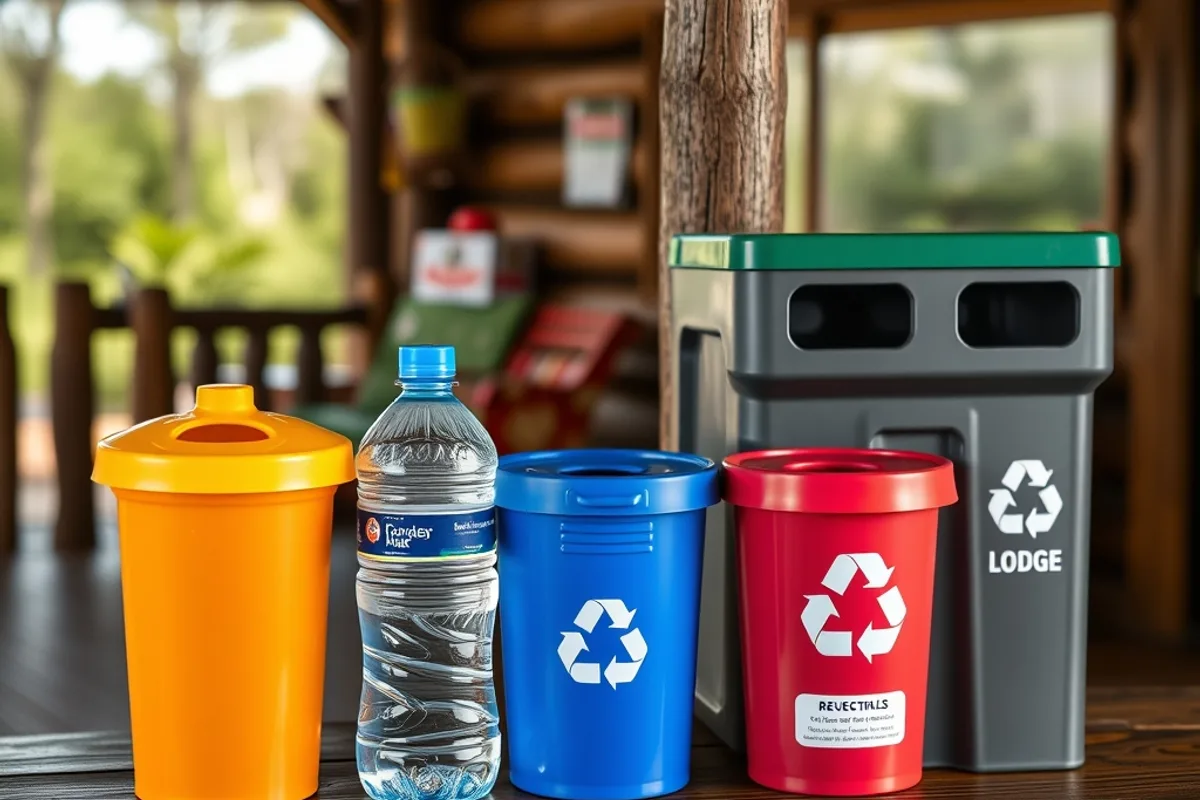
Look at how waste is handled. Single-use plastic at breakfast, no recycling and no refill station suggest a property that has not done the basics. Local food on the menu is a good sign, because it supports nearby farms and cuts transport miles.

Follow the money
Ask how many staff are local and whether the business buys from local suppliers. Community benefits are the part of sustainability that is easiest to verify and most often missing. A lodge owned outside the region that imports its managers and food keeps less value in the place you came to see.
Book local guides and family-run accommodation where you can. A homestay or a small guesthouse usually keeps more money in the community than an international chain, and the money you spend is more likely to stay.
Choose low-impact transport
How you arrive often matters more than where you sleep. Trains and buses produce far less carbon per passenger than short-haul flights. If you must fly, stay longer and travel overland once you are there. A two-week trip by train beats three weekend flights.
Within a destination, use public transport, cycle or walk. A guided group in one minibus is better than five separate rental cars. Choose operators that fill vehicles and plan efficient routes.
Protect the place you visit
Follow wildlife rules: no feeding, no touching and no rides that stress animals. Choose sanctuaries that focus on rescue and conservation rather than shows. Stay on marked trails, take your rubbish out and respect local customs and sacred sites.
Avoid activities that damage the environment you came for, such as off-road driving on dunes, coral walking or collecting shells. The best eco tourism leaves the place as you found it, and that part is entirely in your hands.
The bottom line
Ignore the leaf and ask four questions: where does the energy come from, where does the water go, who benefits locally and how do you get there? Look for independent certification, prefer small local businesses and travel overland where you can. Real eco tourism is less about a label and more about a series of choices you can see.
Sustainable travel is a set of practices, not a shade of green on a brochure.
- Perry Evanoff Editorial
Further reading from independent sources: UN Tourism and your government's foreign office travel advisories.