Booking a Holiday Rental: Fees, Rules and Red Flags
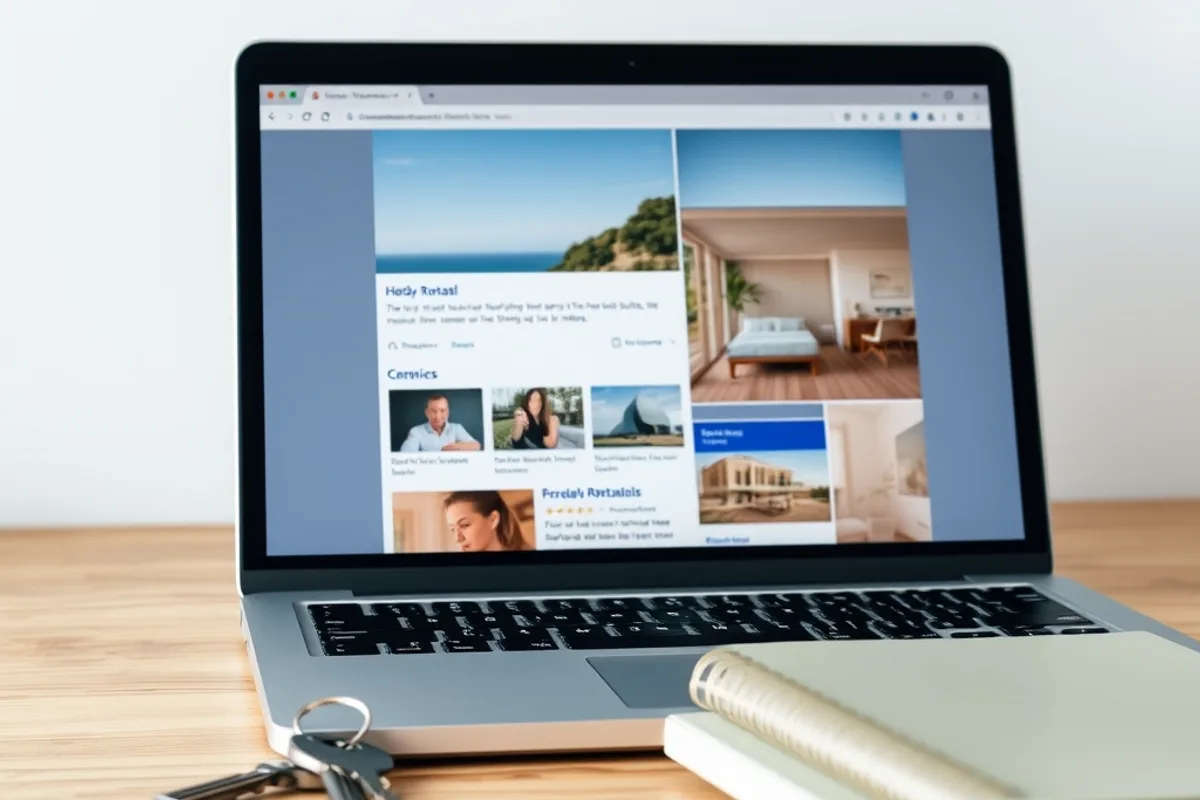
Holiday rentals are priced like hotels and run like small businesses, which means the advertised rate is rarely the final bill. Cleaning fees, service charges, taxes and deposits all arrive at checkout. Most are legitimate; the trick is to see them before you commit.
The other half of a safe booking is reading the rules and staying on the platform. A good rental is straightforward. A bad one asks you to pay outside the system, hides the address or changes the terms after you book.
Find the real total
Search with your exact dates and number of guests, then open the price breakdown. Add the cleaning fee, service fee, taxes and any pet or extra-guest charge. Divide the total by the number of nights to compare it honestly with a hotel.
Short stays carry the heaviest cleaning fees. A two-night booking can cost more per night than a hotel that looked expensive at first. A week or more usually spreads the fixed costs and makes the rental competitive.
Read the rules before you pay
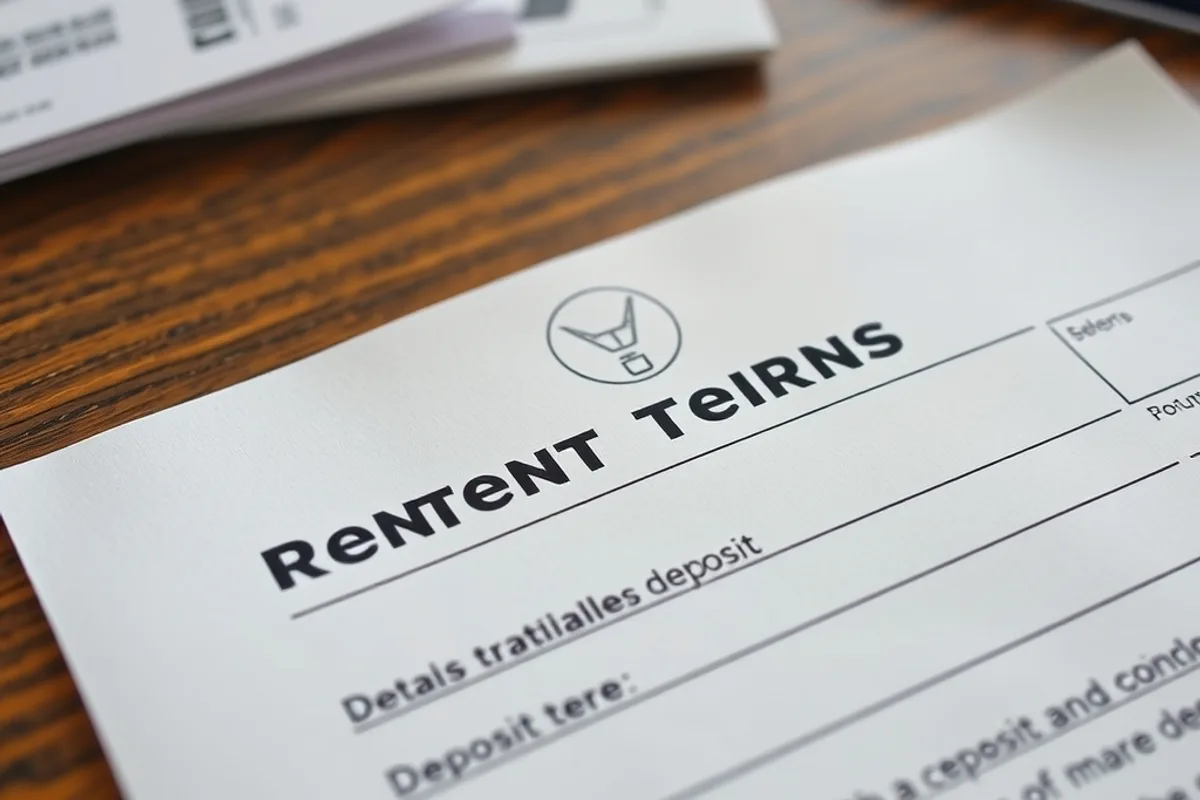
Check the cancellation policy, the deposit amount, the check-in window and the maximum occupancy. Look for rules that could catch you out, such as no late arrivals, no visitors or a strict noise curfew. A rule you cannot meet is a problem waiting to happen.
Confirm what is included: linen, towels, wifi, parking, air conditioning and cleaning. A listing that charges extra for essentials can lose its price advantage. Ask about the checkout procedure and whether there is a cleaning charge on top of the fee.
Spot the red flags
Be cautious if the host asks you to pay by bank transfer or in cash outside the platform. You lose the platform's protection and the dispute process. Be equally wary of a listing with no reviews, stock photos only or a price far below the local market.
Check that the address is real and that the photos match the neighbourhood. Reverse-search one image if something feels off. If the host is vague about the unit, the floor or the key handover, ask direct questions and keep the answers in the chat.
Protect your deposit
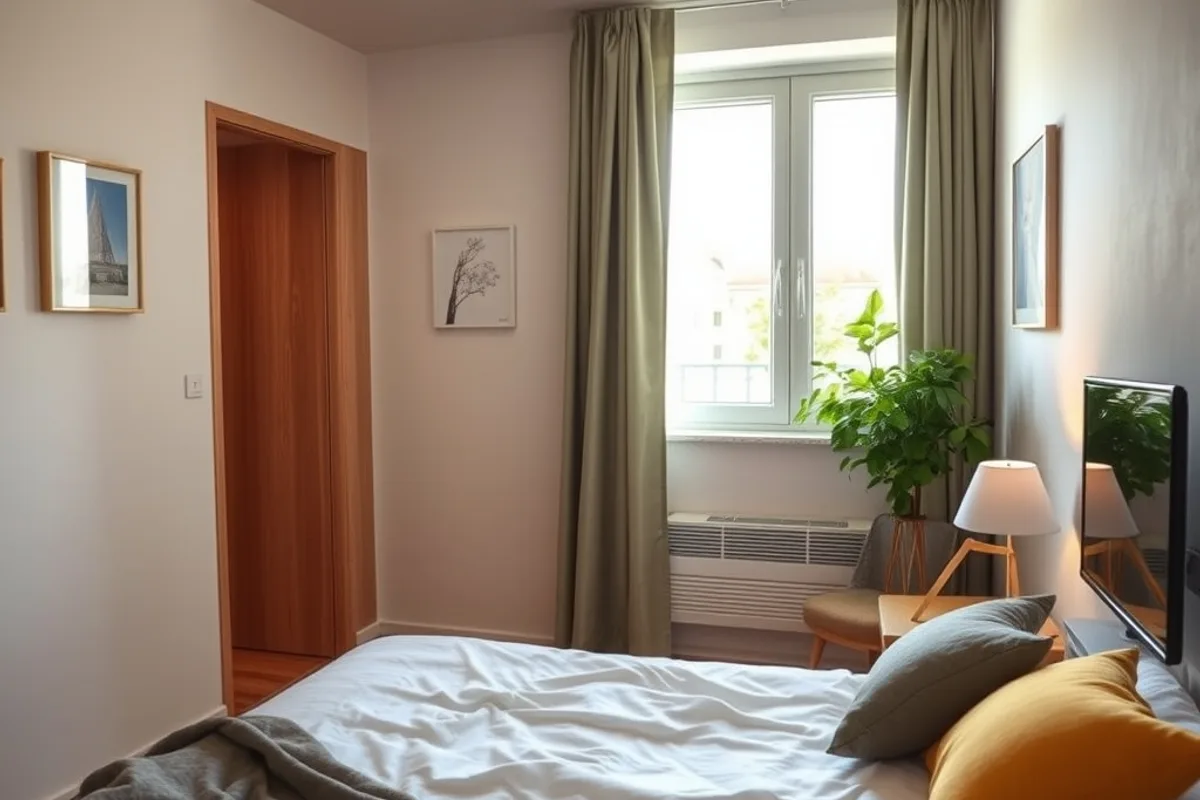
Photograph every room, appliance and piece of furniture on arrival, and note any damage in a message to the host that day. Photograph the meter readings if utilities are metered. This record is what protects your deposit if a claim appears later.
Know the platform's deposit rules and the timeline for release. Pay by card where possible, and keep the receipt. If a deduction is unfair, raise a dispute with the evidence before the window closes.
Check in safely
Ask for the exact address, the access method and a contact number before you travel. Save them offline. If the key safe code fails, you need a plan that does not depend on wifi. Confirm the host's local time and response time.
For a late arrival, agree the handover in writing. A self-check-in apartment is easier than a host who must meet you at midnight. Check whether there is a lift, especially with heavy bags or mobility needs.
Be a good guest
Respect quiet hours, separate rubbish as asked and leave the place reasonably tidy. Report breakages rather than hiding them. Good communication protects your deposit and your review, and it keeps short-term rentals welcome in the neighbourhood.
Read the departure instructions the night before. Stripping beds, emptying the fridge and returning keys takes ten minutes and avoids a rushed morning.
The bottom line
Add every fee, read every rule and keep the booking on the platform. Check the address, photograph the apartment and confirm the key handover in writing. A holiday rental is a good deal when the total is clear and the host is responsive. When either is missing, choose another listing.
If the host wants to move the payment off the platform, the protection you paid for has just left too.
- Perry Evanoff Editorial
Further reading from independent sources: UN Tourism and your government's foreign office travel advisories.