Business Travel Packing and Planning: A Practical Guide
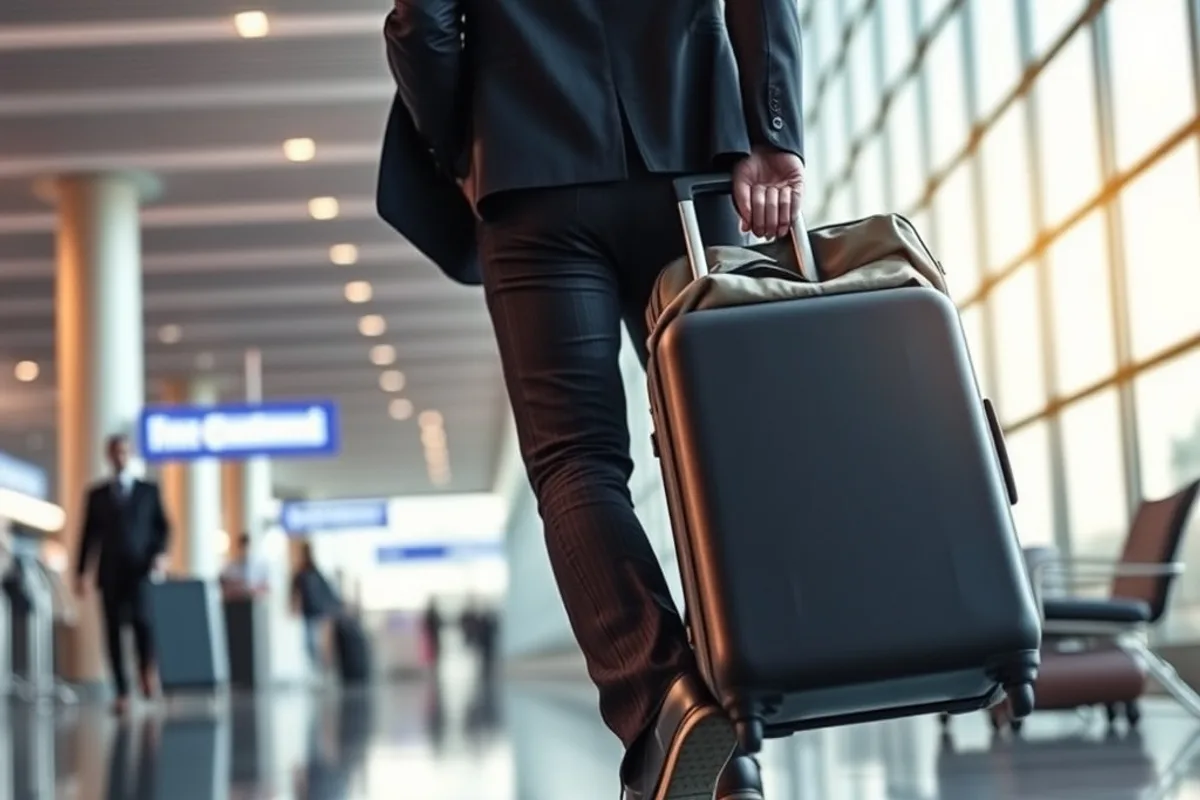
Business travel rewards preparation more than any other kind of trip. You are not there to wander; you are there to work, and every delay or missing item costs something real. The good news is that a repeatable system removes most of the friction, and it fits in one carry-on.
Start with the purpose of the trip and work backwards. If the meeting is the reason, protect the morning before it. If the flight is long, plan the recovery. The schedule should serve the work, not the other way around.
Pack one carry-on
For trips of up to four days, a carry-on and a personal item are enough. Choose clothes in one palette so everything matches, roll soft items and use packing cubes for structure. Take two pairs of shoes at most, and wear the heavier pair on the plane.
Keep a travel kit that never gets unpacked: chargers, adapters, a power bank, basic medicine and a spare shirt. A capsule wardrobe of one suit, two shirts and one smart-casual outfit covers meetings, dinner and the flight home. Check the airline's cabin size before you buy the bag.

Choose the right flight
Book the direct flight when the difference is small. A cheaper connection costs you energy and adds risk to the meeting. If you must connect, leave a long buffer and avoid the last flight of the day, which is the most likely to be cancelled.
For an important meeting, arrive the day before. The extra hotel night is cheap compared with the cost of missing the meeting. Use the evening to set up your room, test the wifi and locate the venue.
Pick a hotel that works
Location beats style. Choose a hotel within walking distance of the meeting or a direct transport line, with a quiet room away from the street and the lifts. A reliable desk, good lighting and a proper chair matter more than a rooftop bar you will never visit.
Confirm the checkout time and ask for a late checkout when you need it. Join the loyalty programme if you will use it, but compare the total price first. A hotel that includes breakfast and a gym can be better value than a cheaper room with neither.

Prepare the documents
Save the meeting address, contact number and agenda offline. Check the visa and entry rules well ahead, and make sure your passport has enough validity. Carry a printed copy of the key reservation in case your phone dies.
Keep receipts as you go, either in an envelope or a photo folder. Expenses are easier to claim when they are captured on the day, and a simple system saves an hour at the end of the trip.
Work well on the road
Protect your sleep. Stay hydrated, avoid heavy meals late at night and keep a consistent bedtime where the time zone allows. A short walk in daylight helps reset your body clock more than a nap in a dark room.
Set up your devices before you leave: offline maps, a VPN if you need one, and the meeting link tested in advance. Charge everything overnight and carry a power bank. A dead phone at the airport is a small problem that feels large.

Use the time around the meeting
Build in a little slack. A walk near the hotel, a proper lunch and a quiet hour before the meeting do more for your performance than one more email. If the schedule allows, add a short cultural stop; it makes the trip memorable without turning it into a holiday.
Keep the return journey simple. Know the transfer time to the airport and leave a wide margin. Buy a flexible ticket for the return if the meeting might overrun.
The bottom line
Pack one carry-on, fly direct and arrive early, choose a quiet hotel near the meeting and keep your documents offline. Protect your sleep and keep expenses simple. Business travel does not need to be glamorous. It needs to be predictable, and a repeatable system is the easiest way to get there.
The best business trip is boring: one bag, one confirmed address and one plan that survives a delay.
- Perry Evanoff Editorial
Further reading from independent sources: UN Tourism and your government's foreign office travel advisories.